Local SEO helps your business show up when nearby customers search for what you offer. Think of it like putting a giant sign on the digital streets of your town so people can find you fast. If someone searches for “coffee near me,” “best dentist in Miami,” or “24-hour plumber,” you want to show up. That is exactly what Local SEO does. And to succeed, you have to follow some local SEO best practices.
In this guide, we will walk through every best practice for local SEO from start to finish. We’ll give examples, tips, mistakes to avoid, and small improvements that make a big difference.
Let’s get started.
What is Local SEO?
 Local SEO is the process of improving your visibility in searches that happen in your area.
For example:
- Someone in your city searches “bakery near me.”
- Someone searches “car repair Boston.”
- Someone says to their phone, “Find a barber shop close by.”
Local SEO helps your business appear in those results so customers can call you, visit you, or check your reviews.
Why Local SEO Matters
Here are simple facts:
- People trust Google Maps more than old directories.
- Most customers choose a business in the first three map results.
- A large percentage of “near me” searches lead to visits within 24 hours.
If your business is not visible, you are simply losing customers who are already ready to buy.
So, What are Local SEO Best Practices?
We will take this step by step. Think of it like building a strong digital foundation. Let’s begin with: SEO for local businesses: best practices.
1. Claim and Optimise Your Google Business Profile
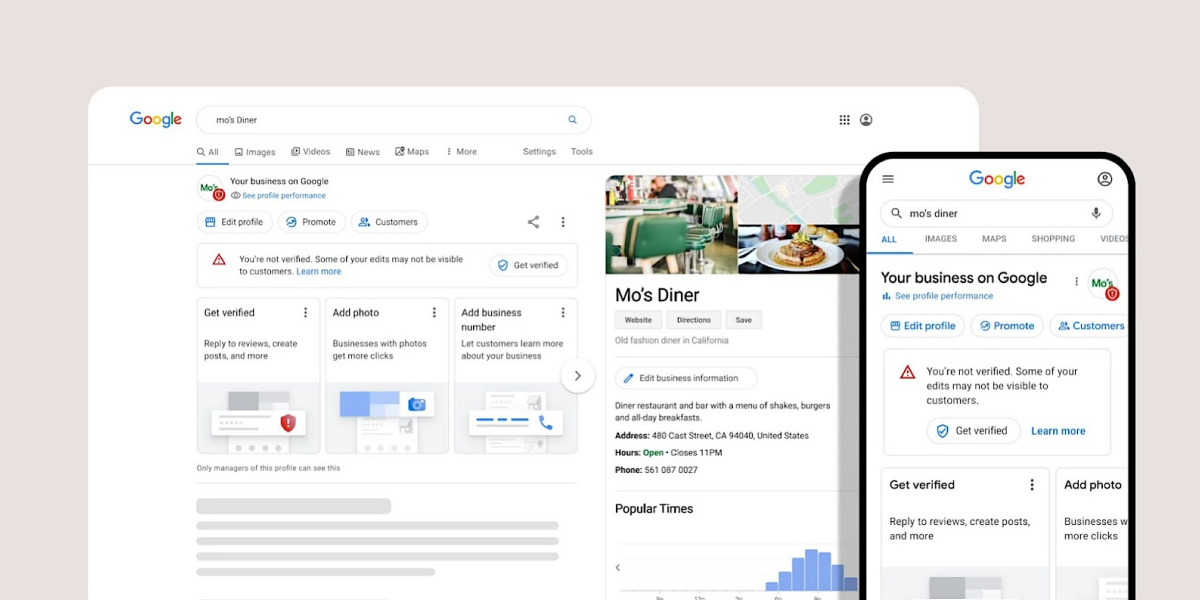
Your Google Business Profile (GBP) is the heart of Local SEO. It is the card that appears on Google Maps and in the local pack.
This is the first place Google checks to understand:
- Who you are
- What you offer
- Where you are
- When you are open
How to set your GBP up correctly:
Step 1: Create or claim your profile
Go to the Google Business Profile website, search for your business, and claim it if it already exists.
Step 2: Add accurate details
Fill in everything:
- Business name
- Category
- Address
- Website
- Phone number
- Hours
- Services
- Photos
- Description
Google loves completeness.
Step 3: Add strong photos
People click on businesses with good photos.
Add:
- Exterior photos
- Interior photos
- Team photos
- Product photos
- Before and after photos
Step 4: Write a friendly business description
Keep it simple. Mention your main services and your city or neighbourhood, but do not stuff keywords.
Example:
- We are a family-owned bakery in Orlando offering fresh pastries, cakes, and coffee. Our team has been serving the community for over ten years. Visit us for warm bread, custom cakes, and friendly service.
Step 5: Update hours often
Especially during holidays. Incorrect hours cause frustration and lower trust.
2. Keep Your NAP Information Consistent
 NAP means Name, Address, Phone number. This must match everywhere online:
- Your website
- Google Business Profile
- Yelp
- Yellow Pages
- Local directories
- Business listings
Even small differences confuse search engines.
Example of wrong consistency:
- Main Street
- Main St
- Suite 20
- Ste 20
- 555 111 2222
- 5551112222
Keep only one format. Choose it once and use it everywhere.
Why does this matter?
- Voice assistants check this information
- AI search uses it
- Customers trust accurate details
A wrong phone number is a lost customer.
3. Build High Quality Citations
 Citations are mentions of your NAP on other websites.
You should be listed on:
- Yelp
- Bing Places
- Apple Maps
- Foursquare
- TripAdvisor (if relevant)
- Industry directories
- Local directories
Each correct listing strengthens your online identity.
Remove duplicate listings. Duplicate listings confuse Google and hurt your ranking.
You can also check out our guide on the top strategies of how to advertise your local business for free if you want more easy ways to boost your visibility.
4. Manage and Grow Online Reviews
 Reviews are one of the strongest ranking signals for local businesses.
Google pays attention to:
- How many reviews you have
- How recent they are
- How good they are
- How you respond to them
Ask for reviews the right way at the right moment. For example:
- Right after a successful service.
- Right after a good meal.
- Right after a positive interaction.
Send them your review link. This makes the process easy. Respond to every review. Even a short reply helps.
Examples:
- Positive review reply: Thank you so much for your kind words. We are happy you enjoyed the service and appreciate your support.
- Negative review reply: Thank you for your feedback. We are sorry about your experience. Please contact us so we can make things right.
Why responses matter:
- Customers read them
- Google sees engagement
- AI systems understand your brand tone
Reviews affect everything.
5. Create Localised Content
 Local content tells Google exactly where you operate and who you serve.
Examples:
- Blogs about local events
- Guides like “Best hiking trails in Denver”
- Service pages with city names
- Case studies about customers in your area
FAQs like “How to choose a dentist in Miami”
Think simple. Think helpful. Your website should show your connection to the community.
6. Build Location Pages for Multi-Location Businesses
 If you have more than one location, create a separate page for each one.
Each page should include:
- NAP
- Hours
- Map
- Parking info
- Photos of that branch
- Reviews from that location
- Description of neighbourhood
Do not copy one page and change the city name. Write original content.
7. Optimise Your Website for Local Keywords
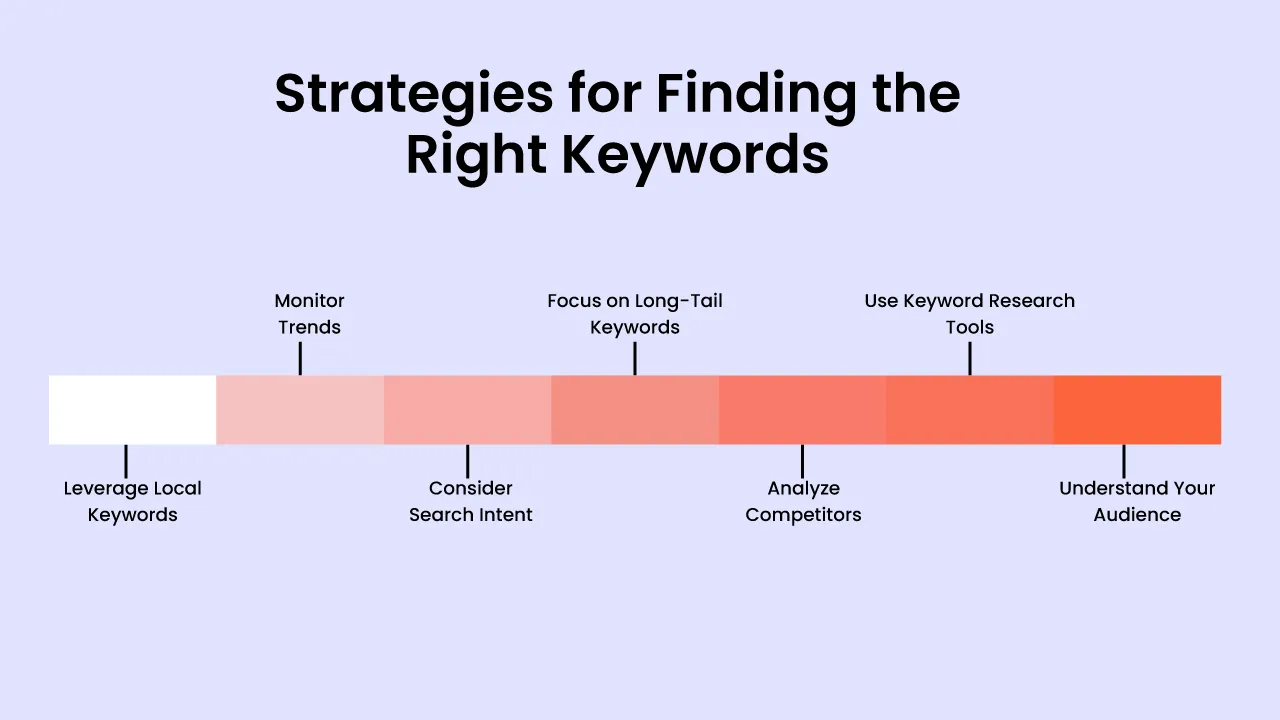 Use location-based keywords naturally.
Examples:
- Instead of: best plumber
- Use: best plumber in Chicago
- Instead of: bakery delivery
- Use: bakery delivery in Phoenix
Place these keywords in:
- Title tags
- Meta descriptions
- Headers
- URLs
- Image alt text
- Body content
Keep sentences simple. Always write for humans first.
8. Use Local Schema Markup
Schema markup is small code on your website that helps search engines read your business info clearly.
Add schema for:
- Local business
- Reviews
- FAQ
- Services
- Hours
This increases your chance of appearing in rich results and AI summaries. You may need a developer for this, but it is worth it.
9. Improve Your Internal Linking
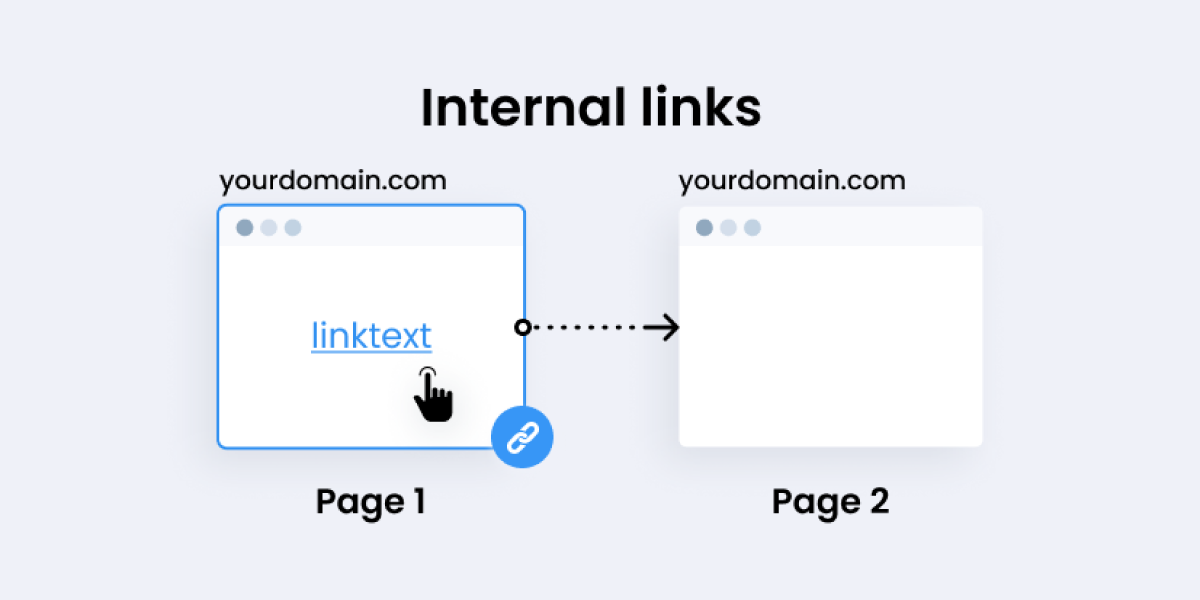 Internal linking helps Google understand your website structure.
Examples:
- On your service page, link to your location page.
- In your blog post, link to your main service.
- On your home page, link to your most important pages.
Good internal linking:
- Helps Google crawl your site
- Helps customers explore your site
- Passes authority from one page to another
Keep it simple. Use natural anchor text.
10. Earn Local Backlinks
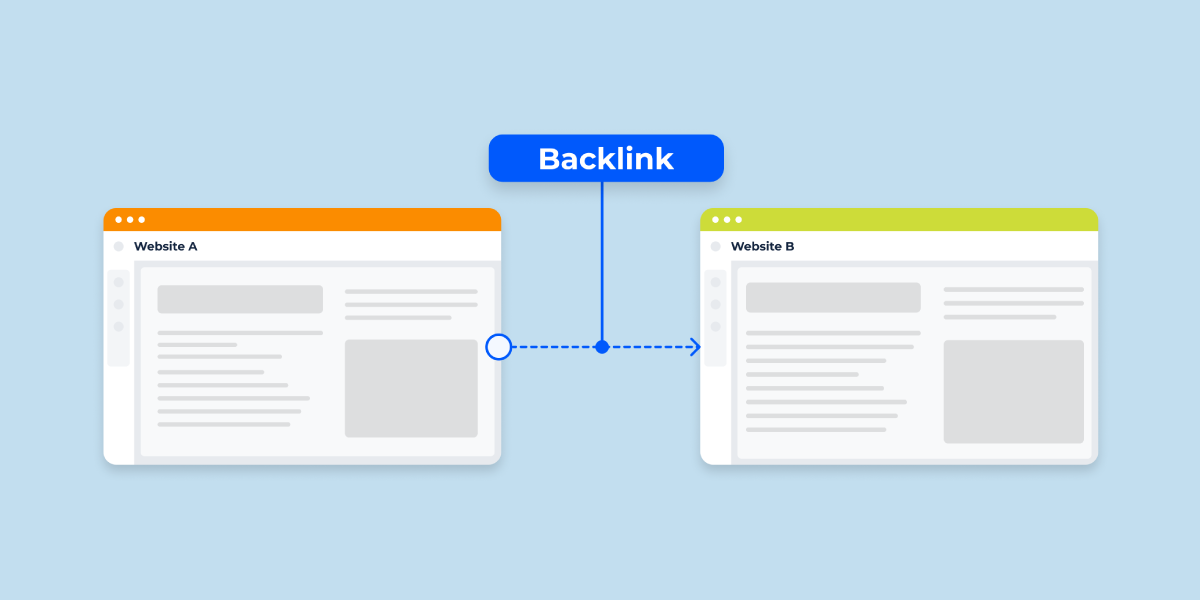 Backlinks are links from other websites to yours. Local backlinks are extremely powerful.
How to get them:
- Partner with local businesses
- Sponsor local events
- Join your Chamber of Commerce
- Appear on local news websites
- Offer to write guest posts
- Support local charities
Backlinks show Google that your business matters in your community.
11. Optimise for Voice Search and AI Search
 People speak differently from how they type.
- Typed: dentist Boston
- Spoken: Where can I find a dentist open right now in Boston?
Create content that answers natural questions.
- Use FAQ sections.
- Use conversational sentences.
- Use clear definitions like “Our address is…” or “You can find us at…”
AI assistants appreciate clarity.
12. Make Your Website Mobile Friendly
 Most local searches happen on a phone.
Your site must be:
- Fast
- Easy to navigate
- Simple to read
- Click friendly
- Clear with buttons
If your website loads slowly or is confusing, customers leave. Mobile ease increases conversions.
13. Perform Regular Local SEO Audits
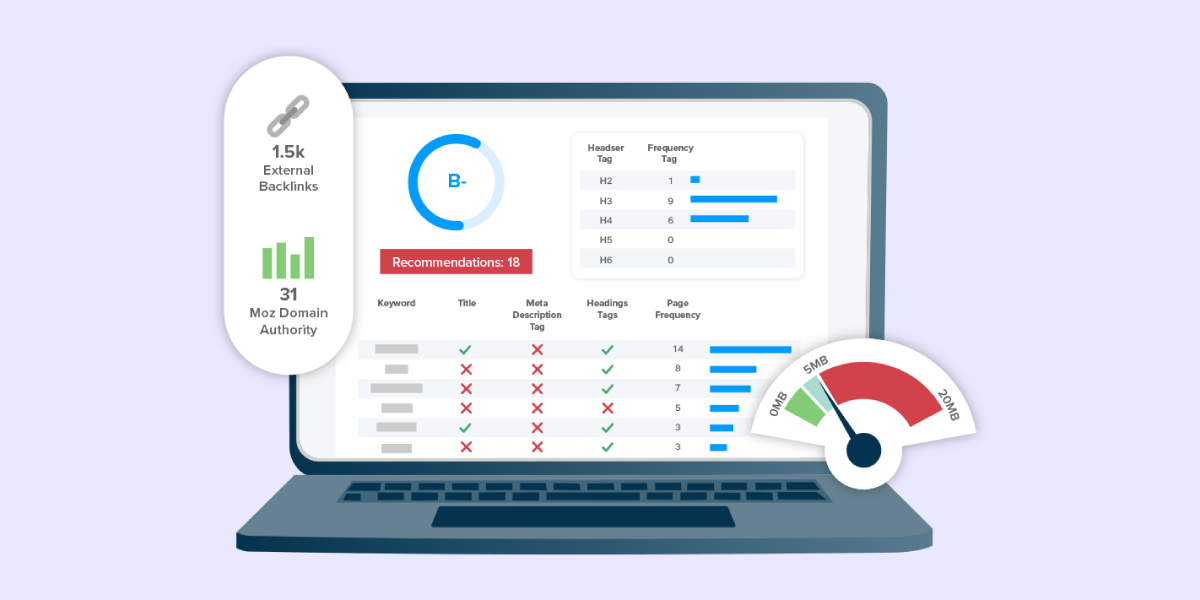 Local SEO is ongoing. Check regularly:
- Your NAP consistency
- Your reviews
- Your ranking for main keywords
- Your Google Business Profile
- Your site speed
- Broken links
- Missing pages
Fix small issues before they become big problems.
14. Track Your Local SEO Performance
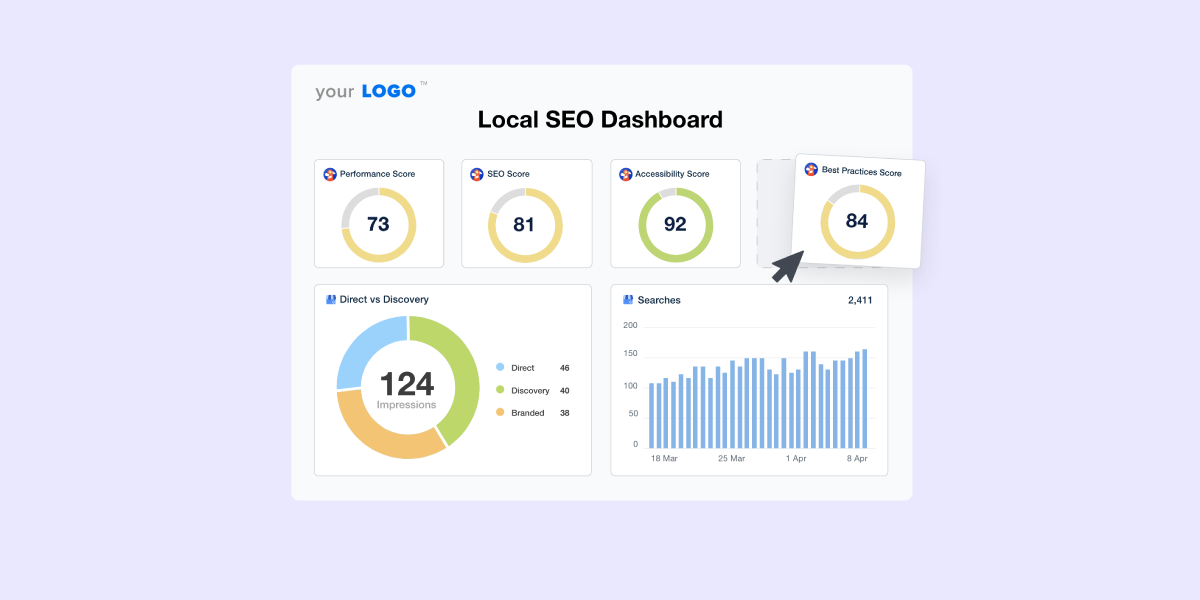 Use tools like:
- Google Business Profile analytics
- Google Search Console
- Semrush
- BrightLocal
- Moz Local
- Screaming Frog
Track:
- Impressions
- Clicks
- Map views
- Calls
- Direction requests
- Keyword rankings
These numbers show you what is working and what needs improvement.
Common Mistakes to Avoid in Local SEO
Here are common Local SEO mistakes to avoid.
1. Using Different Business Details Across the Web
- Many businesses list different phone numbers or slightly different addresses in directories.
- This confuses search engines and lowers trust.
- Pick one exact format and use it everywhere.
2. Not Updating Your Google Business Profile
- Old hours. Wrong phone number. No photos.
- These things push customers away fast.
- Keep your profile fresh and correct.
3. Ignoring Reviews
- Most people check reviews before choosing a business.
- Not asking for reviews or not replying to them hurts ranking and credibility.
4. Stuffing Keywords into Your Content
- Some businesses repeat their city name and service too many times.
- It sounds unnatural and does not help.
- Use simple, clear language instead.
5. Using Duplicate Content for Multiple Locations
- Copying the same text and swapping city names harms visibility.
- Every location page needs unique content.
6. Forgetting to Add a Local Phone Number
- Toll-free numbers look less local.
- A local number helps with trust and ranking.
7. No Mobile-friendly Website
- Most local searches happen on phones.
- If your site is slow or messy on mobile, people leave within seconds.
8. Missing Schema Markup
- Without structured data, search engines do extra work to understand you.
- Schema helps them read your details clearly, which improves your visibility.
9. Neglecting Internal Links
- If your pages do not link to each other, Google struggles to understand your structure.
- Add simple, helpful links between related pages.
10. Not Tracking Performance
- Some businesses set up their local SEO once and never check it again.
- You should always review your rankings, traffic, listings, and reviews.
11. Forgetting Voice and AI Search
- People now ask phones and assistants for local info.
- Your content should answer natural questions like “Where can I find a dentist open now?”
12. No Clear Call to Action
- Even if someone finds you, they must know what to do next.
- Add simple actions like Call now, Book a visit, or Get directions.
Why Choose RankRezz for Your Local Growth
 At RankRezz, we help you attract real local customers by improving your visibility across Google, maps, and every place people search. We handle everything for you in a clear and simple way.
We optimise your Google profile, fix your website structure, build trusted citations, improve your rankings, create local content, and guide you step by step so your business stands out in your area.
You get support, transparency, and a team that treats your goals like our own.
Ready to grow your local presence and bring in more customers?
Talk to us today, and let’s get your business moving forward.
Wrapping Up: Local SEO is About Trust and Visibility
Local SEO is not just about ranking. It is about showing up wherever your customers are searching.
If you follow these local SEO best practices:
- Your business becomes easier to find
- Customers trust you more
- You appear in maps, search, voice, and AI results
- Your calls, visits, and sales increase
Start simple. Be consistent. Keep your information clean. Stay active online.
Your community will find you.
FAQs
- What is the best strategy for local SEO?
The best strategy for local SEO starts with a complete Google Business Profile and consistent business details across the web. Add strong reviews, local content, and good citations to build trust. Focus on clear signals so Google and customers both know exactly who you are and where you serve.
- What is the 80/20 rule for SEO?
The 80/20 rule means that a small set of actions creates most of your results. For SEO, strong content, solid technical fixes, and quality links usually drive the biggest gains. When you focus on these core tasks, you grow faster without wasting time on low-impact work.
- What are the 3 C’s of SEO?
The three C’s of SEO are content, code, and credibility. Your content must answer what people want, your code must be clean and easy for search engines, and your credibility comes from reviews and backlinks. When all three work together, your visibility grows naturally.
- Is local SEO still relevant?
Yes, local SEO is more relevant than ever because people search on the go and want quick answers near them. Google Maps, AI summaries, and voice assistants depend on clean local signals. If you ignore local SEO, you lose customers who are ready to buy today.
- Best PPC practices for local SEO and PPC?
The best PPC practices for local SEO involve targeting your city or postcode, using clear service-based ads, and matching your landing page to local intent. Add call extensions, map extensions, and real customer reviews to build trust fast. When PPC and local SEO work together, you reach more local buyers and close more sales.