

So, what is Influencer Marketing? Think about this for a moment. You see a person online talking about a product they use every day. They explain why they like it. They show how it works. People listen because they already trust that person. They do not feel like they are watching a hard sales pitch. They feel like they are getting a friendly suggestion. And without realising it, many of them end up buying the product.
This simple scene is happening everywhere today. Brands are no longer depending only on big ads or billboards. They are working with real people who already have influence. This is influencer marketing.
It is a smart way for businesses to reach the right audience, build trust fast, and grow in a more natural way. It works because the message comes from a voice people already believe in.
What is Influencer Marketing and How Does It Work?
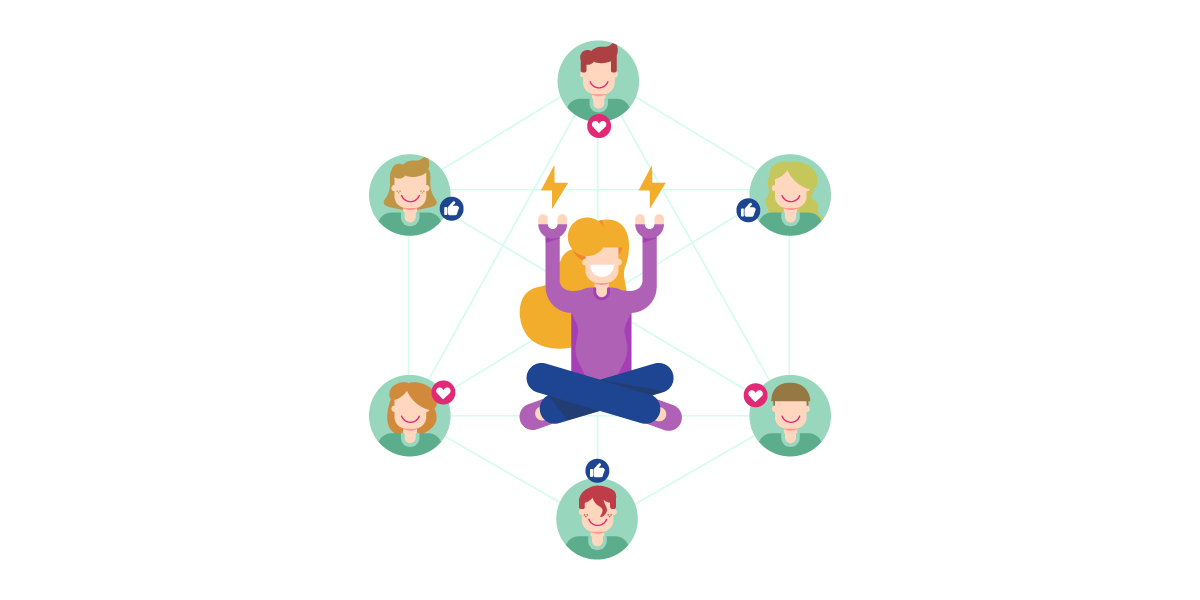 Influencer marketing is when a brand works with someone who already has an audience online. This person could be on Instagram, TikTok, YouTube, or any other platform. People follow them because they like their style, their personality, or their content.
When this person talks about a product or service, their followers listen. They trust them more than they trust a normal ad. That is why brands work with them. The main goal is simple. Reach real people through a voice they already trust.
And yes, when an influencer promotes something in a good and honest way, it can help a brand get known and also increase sales.
How Influencer Marketing Works
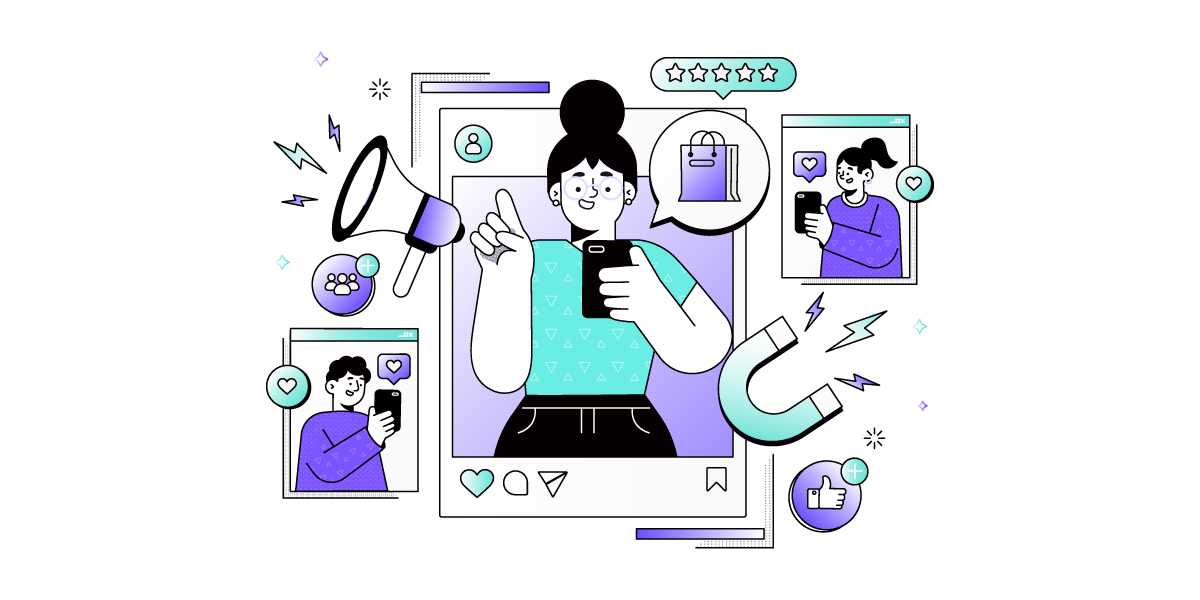 So, what is the role of influencer marketing? Let’s explain the full process in a very simple and natural way.
Pick the Right Influencer
A brand first chooses someone whose audience matches the product. For example, if a brand sells fitness clothes, it looks for fitness creators. If they sell makeup, they find beauty creators. The idea is to talk to the people who actually care.
Make a Clear Plan
Both the brand and the influencer decide what will be posted. They decide how many posts, what type of posts, the style, and the timeline. They also discuss how they will measure success. This includes things like clicks, sales, or views.
Create the Content
The influencer then makes the content. This could be a reel, a story, a long video, a tutorial, a review, or a simple photo. The influencer knows their audience best, so the content usually works better when they keep their own style.
Share and Engage
The content is posted. Followers see it. They like it. They comment. They share. Some people visit the website. Some buy. Some save the post for later. This is where the real action happens.
Measure Results
Finally, the brand checks the numbers. They see how many people clicked. How many people bought something. How many liked or watched. These numbers help the brand understand if the campaign worked and what they should improve next time.
Why Brands Use Influencer Marketing
 Let’s explain this with more clarity.
Builds Trust Faster
People trust influencers more than random ads. Why? Because influencers talk like real people. They share personal experiences. Their followers see them daily. So when they recommend something, it feels real.
Reaches the Right Audience
Influencers already speak to a niche group. If a creator talks about skincare every day, their followers are skincare lovers. That means the brand reaches people who are already interested.
Boosts Awareness
One post can reach thousands or even millions. It can introduce a brand to people who have never heard of it before. This is great for new brands.
Drives Real Sales
Many followers buy things that influencers suggest. It is like getting a recommendation from a friend. This makes people feel more comfortable buying.
Strong Return on Investment
Studies show influencer marketing has strong growth and strong results. So, brands keep increasing their budget here because it works.
Quick Influencer Market Snapshot Explained
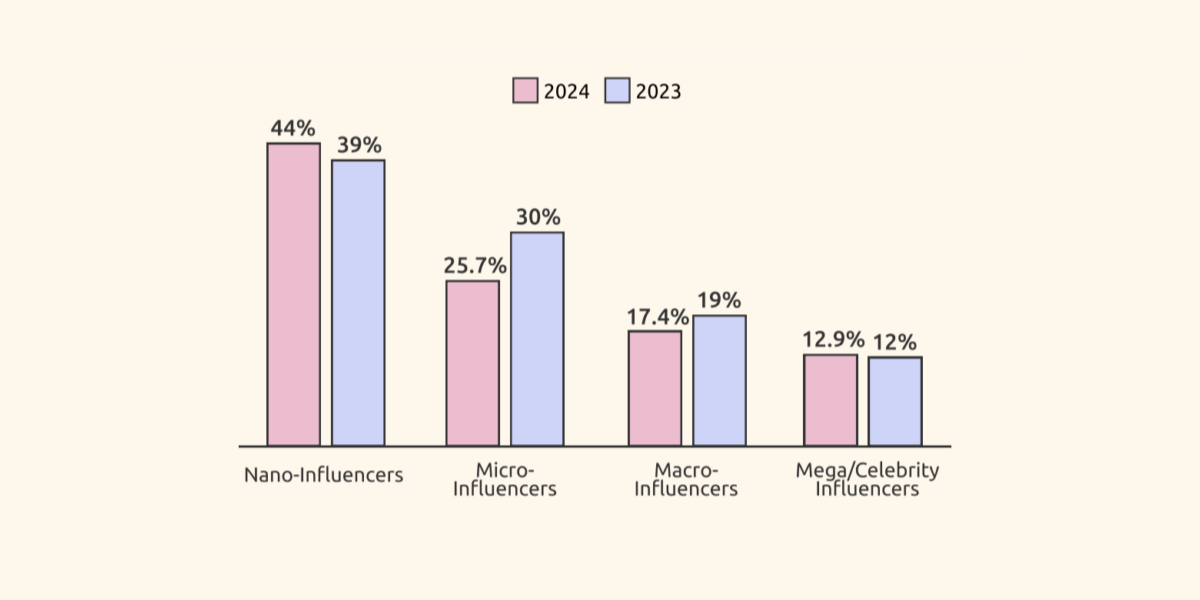 The influencer market is growing fast, and the numbers prove it.
- According to a 2025 report, worldwide, the market for influencer marketing is expected to reach about US$33 billion in 2025. (Statista)
- In the U.S., ad spending on the “creator economy” – brands paying influencers or creators – is projected to hit US$37 billion in 2025, up from US$29.5 billion in 2024. (PR Newswire)
- Many marketers now use influencer marketing: in 2025, nearly 14.4 % of surveyed companies said that they allocate 10–15 % of their overall marketing budget to influencer campaigns, while about 12 % said they spend more than half of their budget on it. (Statista)
So, these numbers show that brands are putting serious money into creators. And the reason is simple. It works better than many old-style ads.
Types of Influencers
Different influencers have different audience sizes and different strengths. Knowing these types helps you pick the right creator for your brand.
Nano Influencers
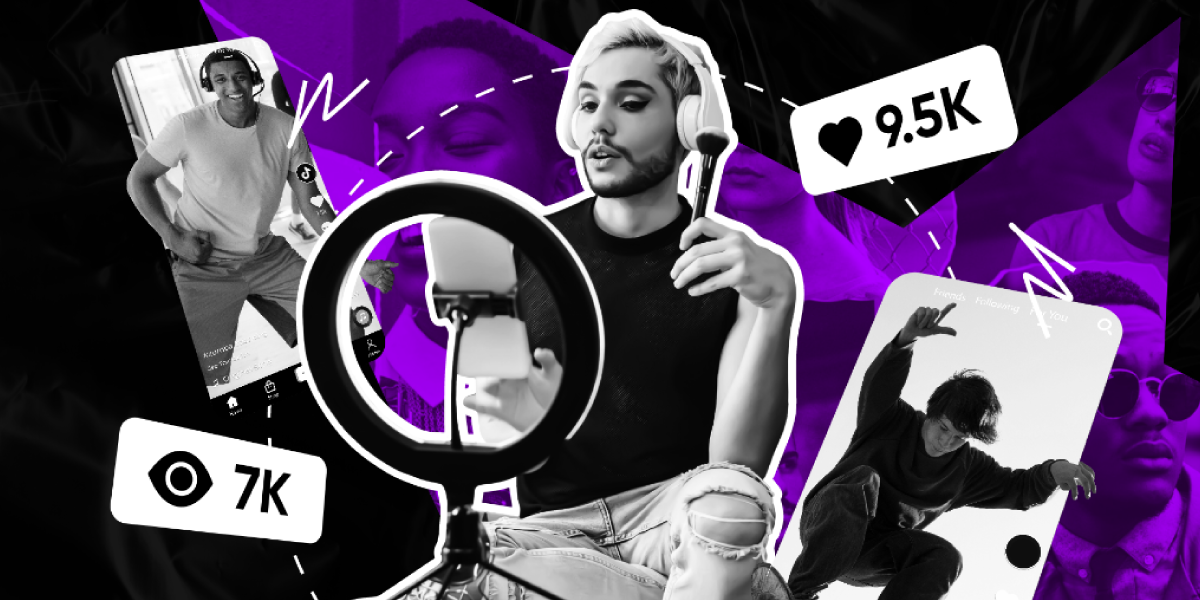 They have around 1k to 10k followers. Their community is small but loyal. People comment more. They answer their followers. They talk in a friendly way. They are perfect for small brands or local businesses.
Micro Influencers
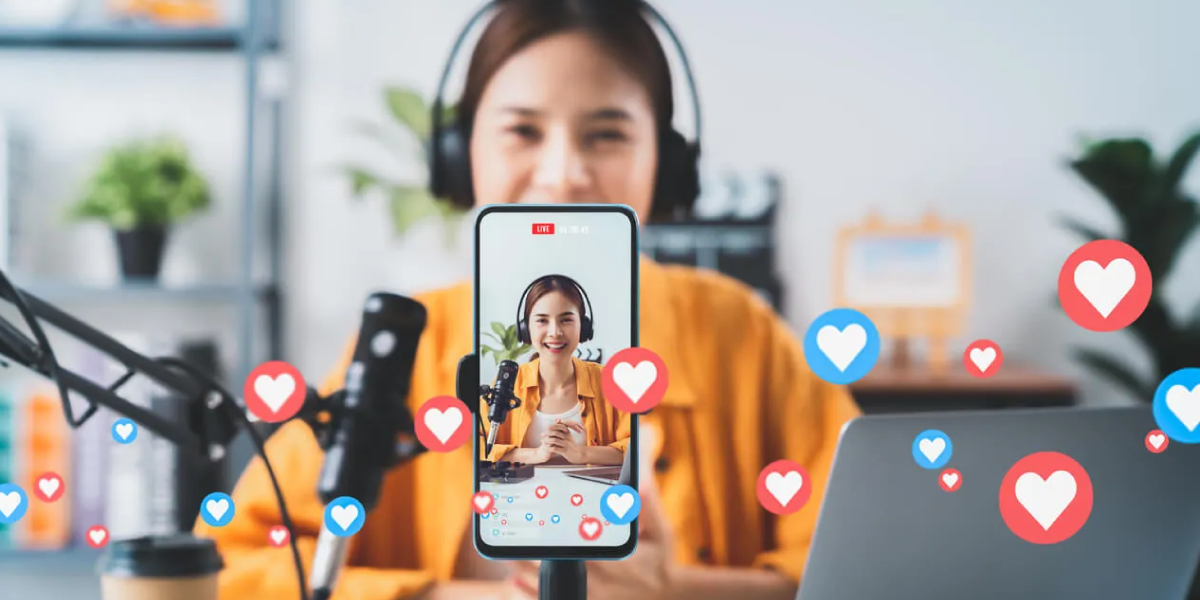 They have around 10k to 50k or up to 100k followers. They sit right in the sweet spot. They reach more people than nano creators but still feel personal. Their engagement rate is usually high. This makes them a favourite choice for many brands.
Medium Influencers
 They have around 50k to 100k followers. They provide a good mix of reach and trust. Brands use them when they want reliable content and a decent audience size.
Macro Influencers
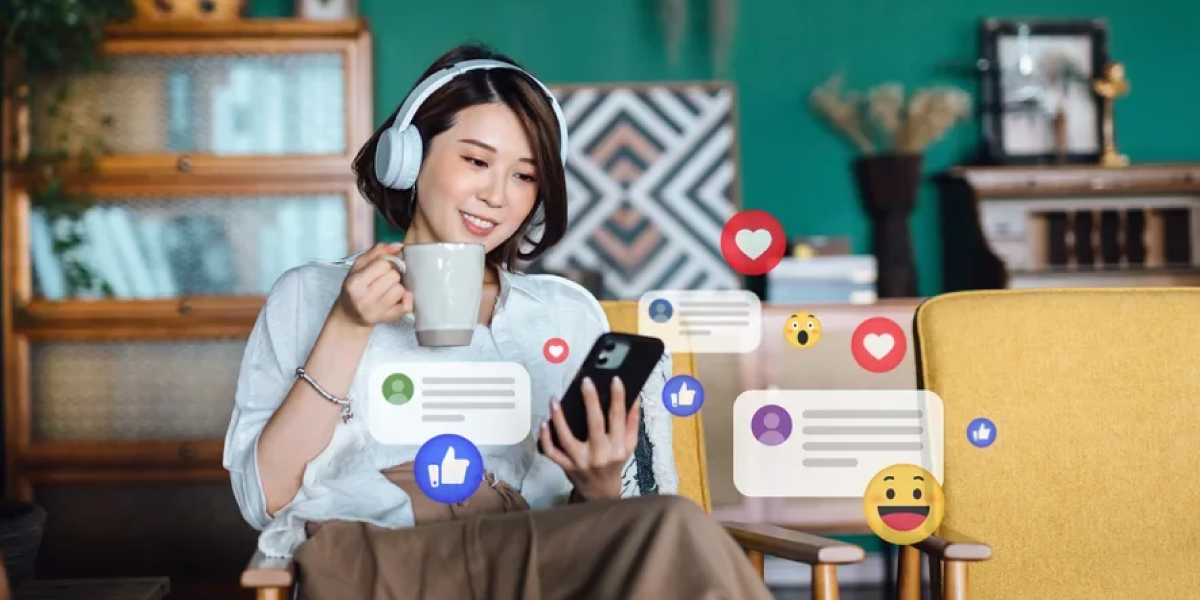 They have around 100k to 1 million followers. These creators have a wide reach. If a brand wants to talk to a big audience quickly, it often chooses macro creators.
Mega Influencers
 They have more than 1 million followers. Sometimes they are celebrities. They bring massive reach. They are expensive but great for big awareness campaigns.
Brands today often prefer nano and micro influencers because they feel more real, cost less, and deliver stronger engagement.
Platforms That Matter for Influencer Marketing
Let’s break down the main platforms where influencer marketing really works today.
TikTok
 TikTok is now the top platform for influencer marketing. Brands love it because short videos go viral fast and get a huge reach. Influencers here see the highest engagement, especially smaller creators, with nano-influencers making up 66.96% of the accounts. Beauty and lifestyle content does extremely well, making TikTok perfect for brands wanting fast and fun campaigns.
 Instagram comes in second place. Even though engagement is dropping, it still gives high ROI and is easy for brands to work with. Most influencers here are small, with 76.86% being nano-influencers. Brands still use Instagram a lot for lifestyle, fashion, travel, and beauty content.
YouTube
 YouTube is the third most popular influencer platform. It’s great for longer content like reviews, tutorials, and unboxings. Small and mid-size creators dominate here, with accounts having 10,000 to 50,000 followers being the most common. Vlogs are the most popular content type, and gaming brands like Steam get high mentions, making it great for detailed campaigns.
Other Platforms
 Other platforms like Twitch, Snapchat, and even Facebook matter for specific audiences. Gaming brands love Twitch. Snapchat reaches younger users. Facebook still works, but fewer brands use it compared to TikTok, Instagram, and YouTube.
Types of Influencer Marketing: Common Influencer Partnership Models
Brands and influencers can work together in different ways. Each method has its own benefits depending on goals and budget.
- Flat fee: The influencer gets paid a fixed amount for each post or for a package of posts.
- Commission or affiliate: The influencer earns money when someone buys using their link or discount code.
- Product gifting: The brand sends free products. The influencer may or may not post about it depending on the agreement.
- Long-term ambassador: The influencer works with the brand for months or even years. They post regularly and become the face of the brand. This builds deeper trust.
What is Influencer Marketing Strategy: What Makes a Campaign Successful
Here are the things that really matter.
- Pick creators who match your brand: If your brand is calm and clean, pick a calm and clean creator. If your brand is fun and energetic, pick someone with that vibe.
- Keep content natural: Don’t force the influencer to talk in a robotic way. People can see through that. Let the influencer speak in their own tone.
- Set goals clearly: Decide what you want. Do you want sales? Do you want awareness? Do you want website clicks? Be clear before starting.
- Track everything: Use promo codes or links so you know what is working.
- Follow rules: In many countries, influencers must say they are doing a paid promotion. It must be obvious, not hidden. This builds trust and keeps you safe legally.
Rules and Safety Regarding Influencer Marketing
Influencers must disclose paid posts. For example, they can write paid partnership or sponsored. This is required by the Federal Trade Commission in the United States and the UK government. Other countries have similar rules. Clear disclosure protects trust and avoids legal problems.
|
At RankRezz, we help your brand grow by connecting you with the right influencers who truly match your audience. We create authentic campaigns that boost engagement, reach, and sales. Ready to get started? Contact us today and let’s build your influencer strategy together! |
Future Trends and What’s Coming Next
Now, let’s see what is going to come in the influencer marketing field.
The Metaverse
Brands are exploring virtual spaces. Some companies already sell virtual clothes or host virtual events. Influencers may promote digital products in the future just like they promote physical ones now.
More Small Creators
Many brands now prefer working with many smaller creators instead of one big creator. This gives better engagement and feels more real.
New Platforms
Every few years, a new platform grows. Influencers will move to new spaces. Brands will follow them.
Common Mistakes Brands Make in the Influencer Marketing Field
Here are mistakes you should avoid.
- Only looking at follower count: A huge audience means nothing if they do not care. Engagement is more important.
- Not giving a good brief: If you do not explain what you want, the influencer might not deliver the right thing.
- Not checking their audience: Some creators have fake followers. Always check comments, likes, and real engagement.
- Not setting goals: If you do not have goals, you cannot measure success.
How to Measure Success
Here are the main things to check.
- Likes, comments, and shares
- Views and watch time
- Clicks to your website
- Sales from promo codes
- New followers
- Brand mentions
A strong campaign mixes awareness and action numbers.
Small Brand Checklist to Get Started
Let’s make it easy for you.
- Choose your goal
- Pick your platform
- Select 5 to 10 creators
- Agree on posts, deadlines, and payment
- Track results and improve next time
Wrapping Up
So, what is influencer marketing? Influencer marketing is a super-effective marketing strategy that works because people trust people. It feels normal. It feels real. Social media influencer marketing made it easy for brands to connect with audiences through creators. The industry is still growing fast. New tools. New platforms. New styles. But the core idea stays the same.
Pick the right creator. Be honest. Make good content. Track results. Do this well, and your brand will grow.
FAQs
|